Burnout, Rest & Nervous System Support
Can Sound Immersion Support Burnout Recovery?
How Intentional Rest Can Complement Stress Management and Organizational Change
Burnout has become one of the defining challenges of our time.
Healthcare professionals, first responders, educators, behavioral health providers, social workers, nonprofit leaders, caregivers, and countless others are being asked to do more with fewer resources while navigating increasing emotional, mental, and physical demands. Many describe feeling exhausted, detached from their work, and questioning whether they can continue at the pace they have maintained for years.
As conversations about workplace wellness have grown, so has interest in practices like mindfulness, meditation, yoga, and sound immersion. More organizations are recognizing that supporting employee well-being is not just about offering benefits. It is about creating meaningful opportunities for recovery.
So where does sound immersion fit?
It may, however, support the nervous system, reduce stress, and create intentional opportunities for restoration. When incorporated into a broader culture of well-being, it offers something many people struggle to access on their own: uninterrupted time to slow down, reconnect with their bodies, and shift out of a constant state of doing.
For many people, burnout does not begin with one dramatic event. It develops gradually through repeated cycles of stress without adequate recovery. While organizations must address the workplace conditions that contribute to burnout, individuals also need consistent opportunities to restore their physical, emotional, and mental capacity.
Sound immersion is one way to create that space.
What Is Burnout?
The World Health Organization defines burnout as an occupational phenomenon resulting from chronic workplace stress that has not been successfully managed.
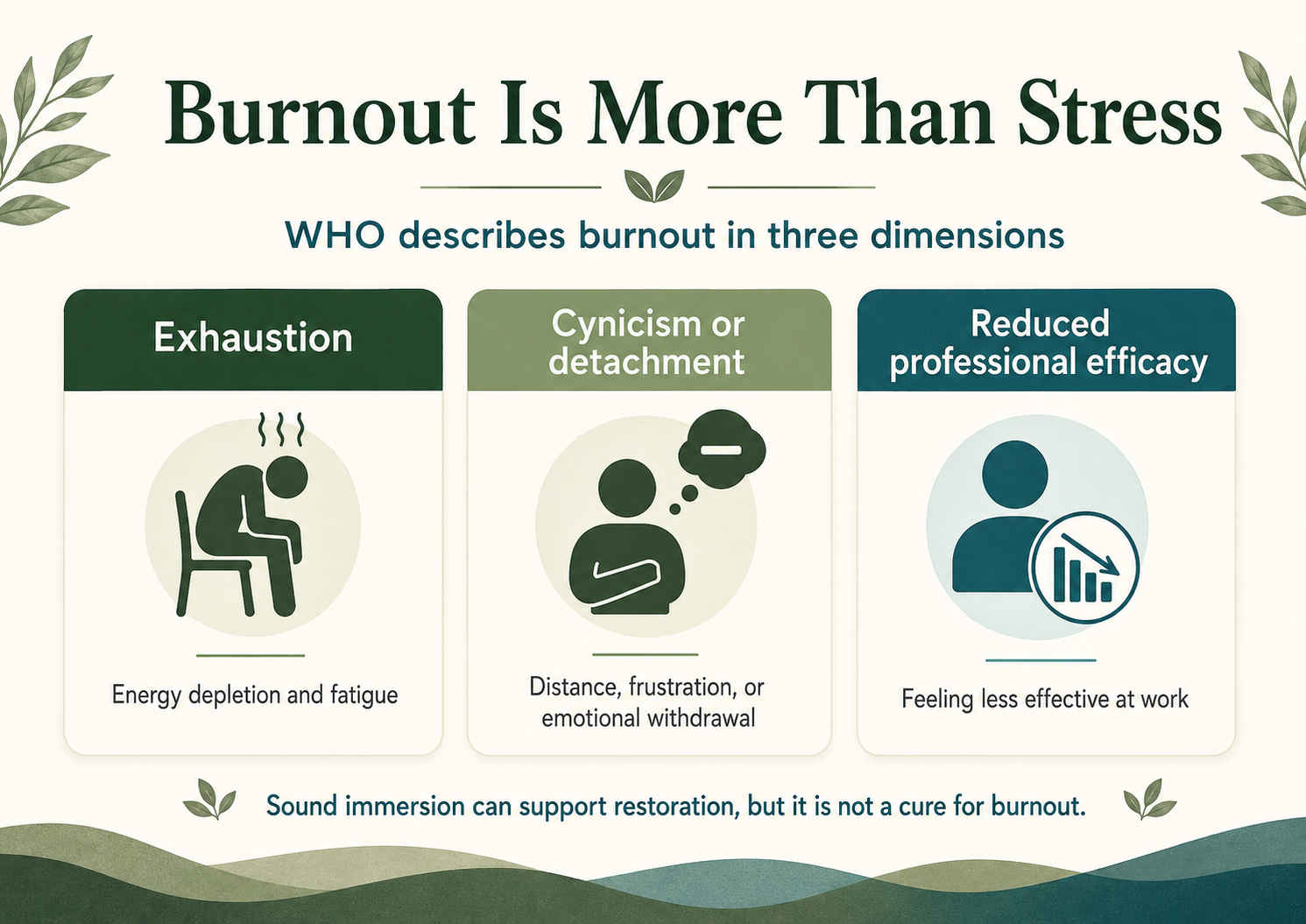
Burnout is characterized by three dimensions:
- feelings of energy depletion or exhaustion
- increased mental distance from one’s work or feelings of cynicism
- reduced professional efficacy
Notice what is absent from this definition: burnout is not simply about working long hours. It is not solved by taking a vacation. It is not a sign that someone lacks resilience.
Instead, burnout develops when the demands placed on individuals consistently exceed the resources available to support them.
Burnout Is More Than an Individual Problem
As someone who has spent years consulting with healthcare organizations on psychological safety, workplace culture, communication, and burnout, I believe it is important to acknowledge something that is sometimes missing from wellness conversations:
No amount of self-care can fully compensate for unhealthy systems.
If employees are working in environments characterized by:
- chronic understaffing
- excessive workloads
- poor leadership
- lack of psychological safety
- workplace incivility
- inadequate compensation
- limited autonomy
- moral distress
- repeated exposure to trauma
the responsibility for addressing burnout cannot rest solely on the individual.
Organizations must examine the systems, policies, cultures, and working conditions that contribute to chronic stress. Sound immersion should never be presented as a replacement for meaningful organizational change. Instead, it can become one valuable component of a broader strategy to support employee well-being.
Through Sharon Washington Consulting, Dr. Washington supports organizations in addressing leadership, psychological safety, communication, workplace culture, and the conditions that contribute to chronic stress.
Why Rest Can Feel So Difficult
One of the paradoxes of burnout is that many people who need rest the most struggle to access it.
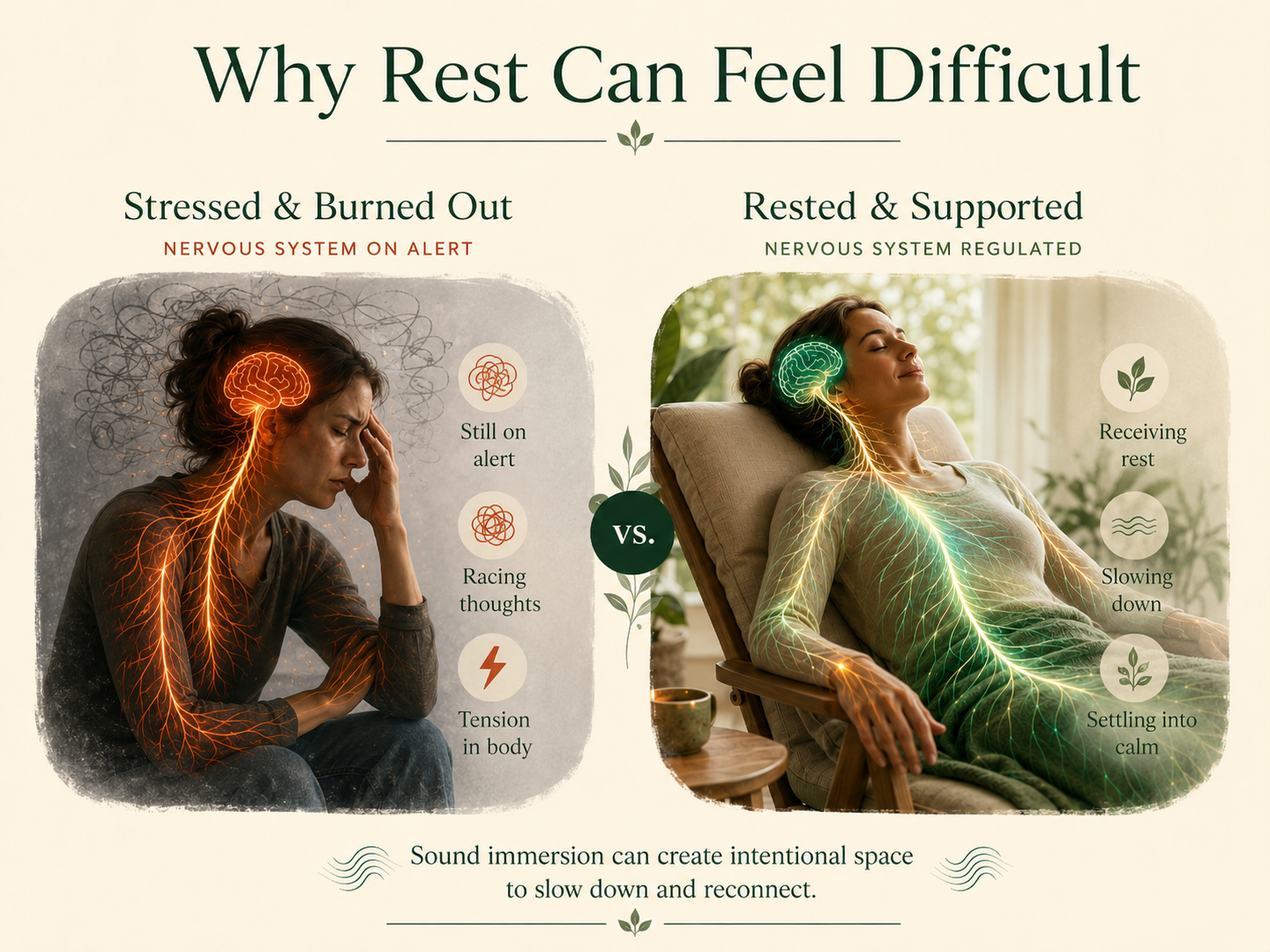
You finally have a day off. You sit down. Suddenly your mind is racing. You are replaying difficult conversations, thinking about tomorrow’s workload, wondering what you have forgotten, planning dinner, and checking your phone.
Your body may be physically still, but your nervous system has not received the message that it is safe to slow down.
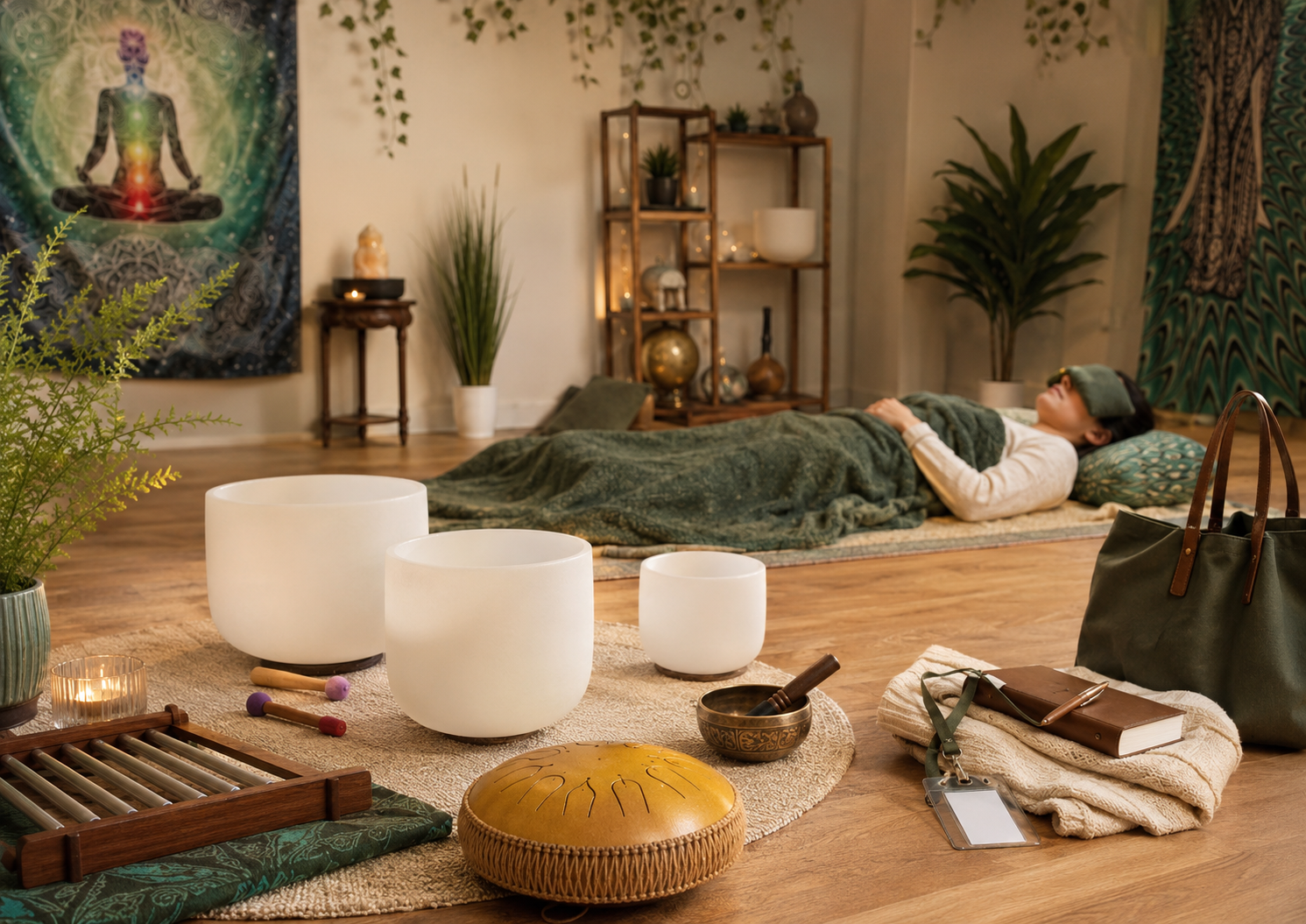
This is where guided practices—including sound immersion—may offer something unique. Rather than asking people to simply relax, sound immersion creates intentional space for slowing down through gentle sound, mindful breathing, body awareness, and uninterrupted rest.
For many participants, this becomes one of the few times during the week that they are invited to do absolutely nothing except receive.
What Participants Experience
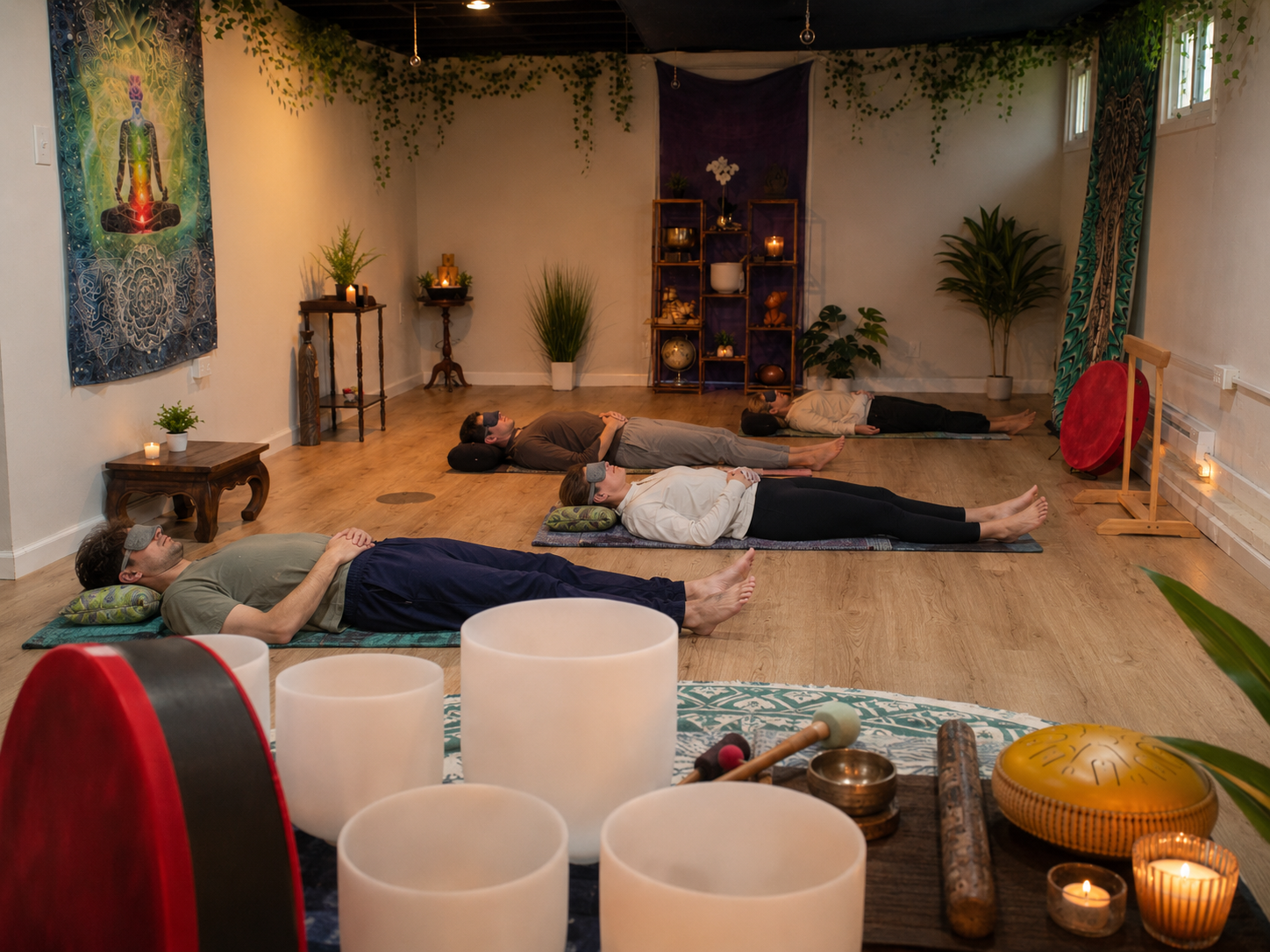
One of the things I appreciate most about facilitating Guided Grounding sessions is that no two experiences are exactly alike.
Some participants describe feeling deeply relaxed for the first time in months. Others notice physical tension softening, their breathing becoming slower, or their minds feeling noticeably quieter. Some remain awake and simply enjoy a rare opportunity to rest, while others drift into a deeply restorative state between wakefulness and sleep.
“I didn’t realize how much tension I was carrying until it started melting away.”
“I felt like I could finally breathe.”
“My mind finally slowed down.”
“I walked in feeling overwhelmed and left feeling lighter.”
“I didn’t know I needed that.”
In participant surveys completed after Guided Grounding sessions:
These outcomes reflect participant experiences rather than controlled scientific research, but they provide meaningful insight into how people describe the impact of intentional rest and sound immersion in real-world settings.
Why Sound Immersion May Complement Burnout Recovery
Many wellness activities ask us to actively do something: exercise, journal, practice breathing, or meditate. While these practices can be incredibly beneficial, they also require effort.
Sound immersion offers something slightly different. Participants are invited to simply rest.
There are no performance expectations, no goals to achieve, and no productivity to measure. Instead, participants are encouraged to:
- slow their breathing
- notice physical sensations
- reconnect with their bodies
- listen without needing to analyze
- experience uninterrupted rest
For individuals whose days are spent making decisions, solving problems, and caring for others, this permission to simply receive can feel profoundly restorative.
Early research suggests that sound-based meditation may support relaxation and reduce self-reported tension and distress. However, research specifically connecting sound immersion to burnout recovery remains limited. Guided Grounding presents sound immersion as a restorative wellness practice—not as medical or psychological treatment.
High-Stress Professionals Deserve Recovery
Many of the people who attend Guided Grounding sessions work in professions where they are expected to remain calm while supporting others through distress: healthcare professionals, therapists, recovery counselors, teachers, social workers, emergency responders, executives, parents, and caregivers.
These roles often require continuous emotional regulation, compassion, and presence. Ironically, those who spend their days caring for others frequently have the fewest opportunities to care for themselves.
Creating intentional opportunities for recovery is not indulgent. It is part of sustaining the capacity to continue showing up for others.
How Organizations Can Help
Organizations interested in addressing burnout should think beyond isolated wellness events.
The most effective approaches combine:
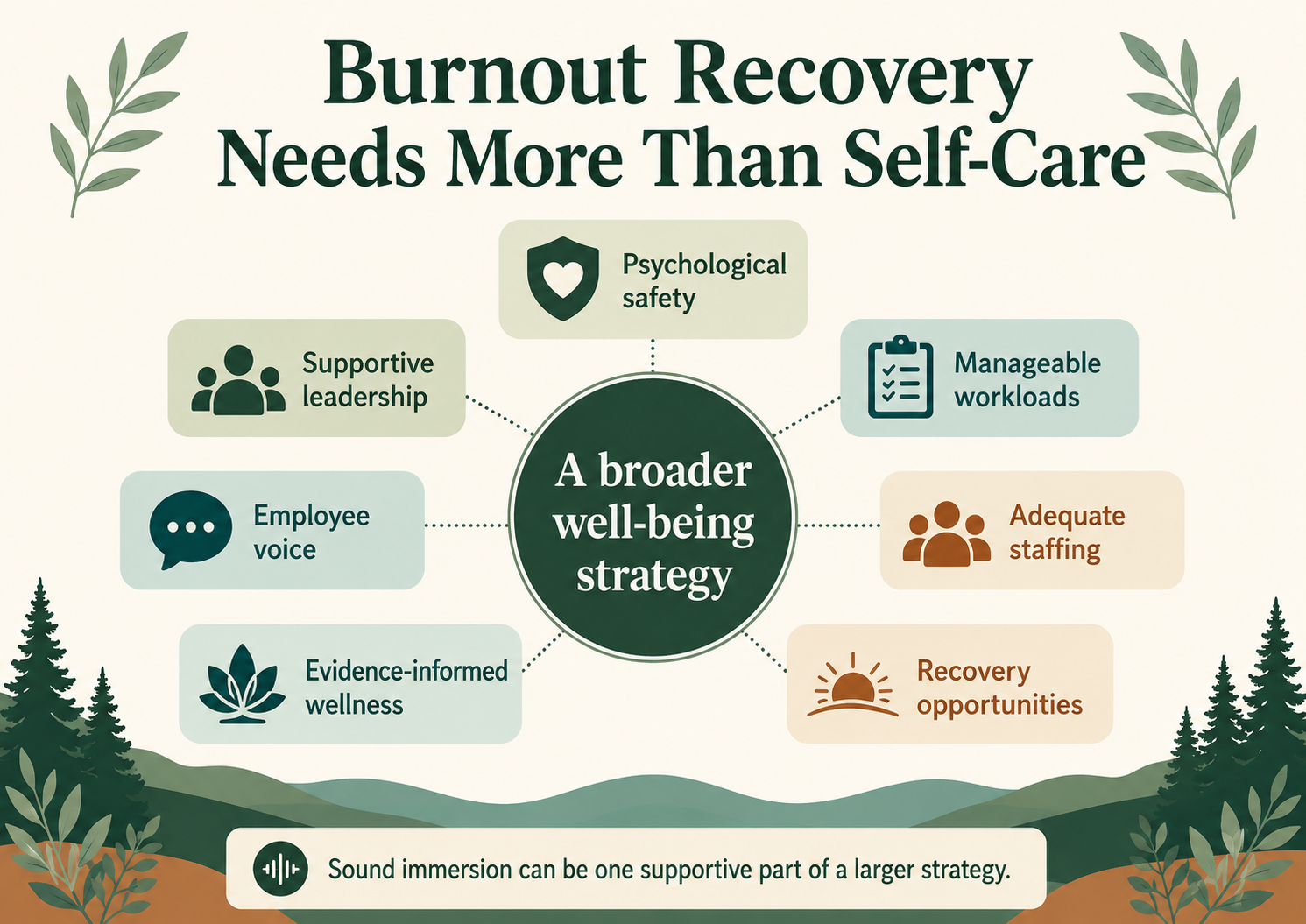
- psychologically safe workplace cultures
- supportive leadership
- manageable workloads
- adequate staffing
- opportunities for recovery during the workday
- access to evidence-informed wellness practices
- employee voice and shared decision-making
Sound immersion can become one component of that larger ecosystem.
Some organizations integrate Guided Grounding through:
- recurring staff wellness sessions
- conference Reset Rooms
- professional development retreats
- behavioral health programming
- recovery center wellness offerings
- employee appreciation events
- leadership retreats
These experiences are not designed to fix burnout. They are designed to create intentional opportunities for restoration while organizations continue the important work of improving the systems in which people work.
A Different Way of Thinking About Wellness
Perhaps the goal is not to become better at tolerating chronic stress. Perhaps the goal is to become better at recognizing when our bodies need recovery.
Burnout does not happen overnight. Recovery usually does not either. But creating consistent opportunities to pause, breathe, listen, and reconnect with ourselves can become one meaningful part of caring for the people who spend their lives caring for others.
At Guided Grounding, I do not believe rest is a luxury. I believe it is part of building sustainable, compassionate, and healthy communities—one nervous system at a time.
Make Space to Pause
Explore a public sound immersion or ask about a private session designed around your needs.
Create Space for Recovery
Guided Grounding offers restorative experiences for healthcare teams, educators, behavioral health professionals, caregivers, conferences, and workplace retreats.

References
- World Health Organization. (2019). Burn-out an “occupational phenomenon”: International Classification of Diseases (ICD-11). World Health Organization.
- Goldsby, T. L., Goldsby, M. E., McWalters, M., & Mills, P. J. (2017). Effects of singing bowl sound meditation on mood, tension, and well-being. Journal of Evidence-Based Complementary & Alternative Medicine, 22(3), 401–406. Read the study.