
Guided Meditations + Somatic Practices for Everyday Grounding
Short, voice-guided practices led by Dr. Sharon Washington—built for transitions: after a hard day, before a meeting, or whenever you want to come back to a calmer baseline.
Guided Meditations
Calm, structured audio-led sessions designed to help you slow down, settle your attention, and reset your nervous system. No performance. No pressure. Just a clear path back to steadiness.



How to use these
- Transitions: before work, after work, or between demanding moments
- After a hard day: to release mental noise and body tension
- Steady practice: repeating short sessions supports better recovery over time
- Flexible: sit, lie down, pause, or adjust anytime
Made for real life
- Older roots: breath and focused attention have long been used to steady the mind.
- Modern format: audio guidance makes consistency easier.
- Daily use: transitions, recovery, and a calmer baseline over time.
What it is / what it isn’t
- It is: guided focus—breath, attention, and body awareness.
- It isn’t: “no thoughts.” Thoughts happen; you return gently.
- It is: flexible—pause, repeat, or adjust anytime.
- It isn’t: a belief requirement. Bring your own values and intention.
Practical guidance, no pressure—just a clear path back to steadiness.
Somatic Practices
Somatic practices use breath + simple movement to support regulation and stress relief. They’re practical tools— especially when you don’t have time for a long session, but you still want to shift out of “go-mode.”
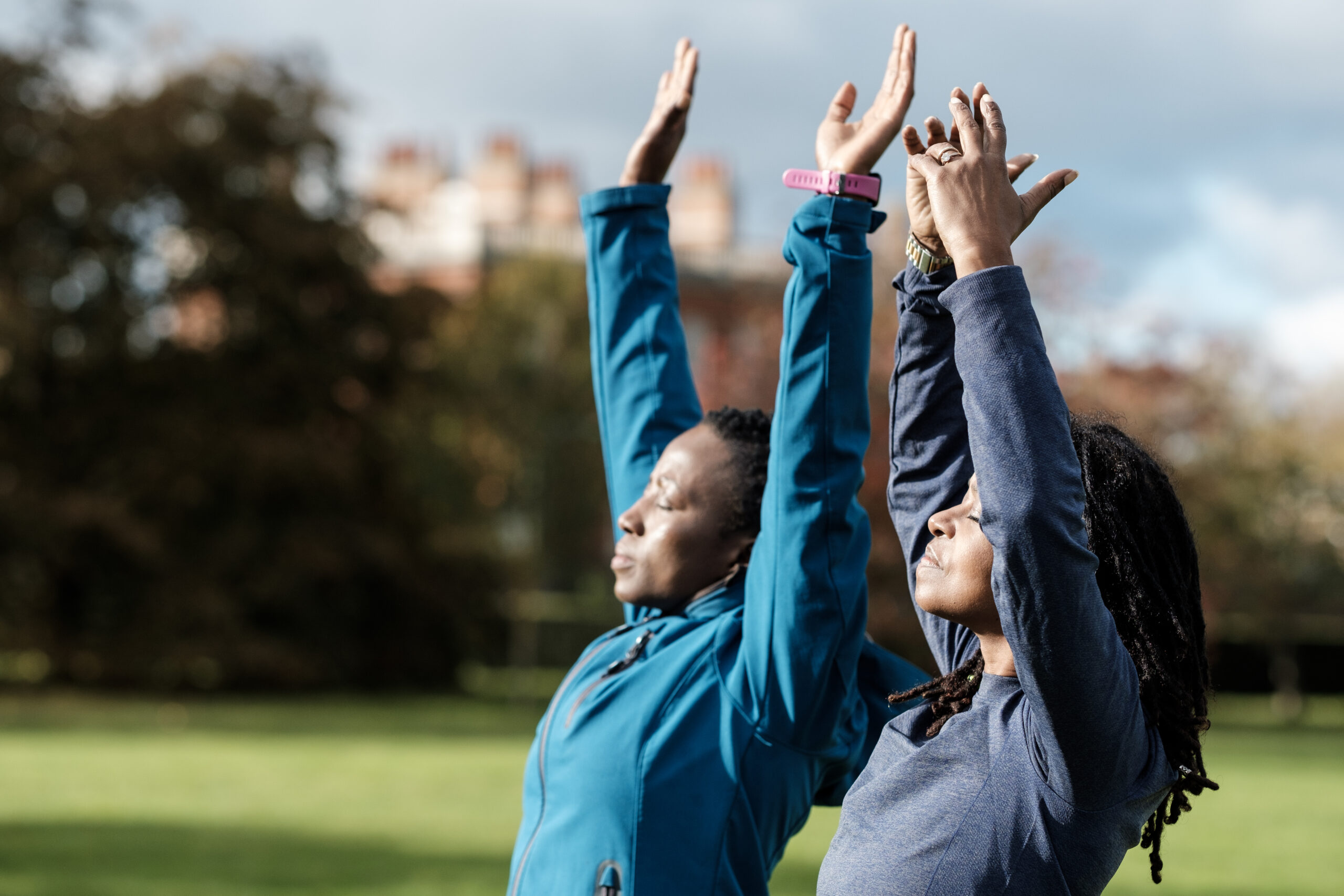
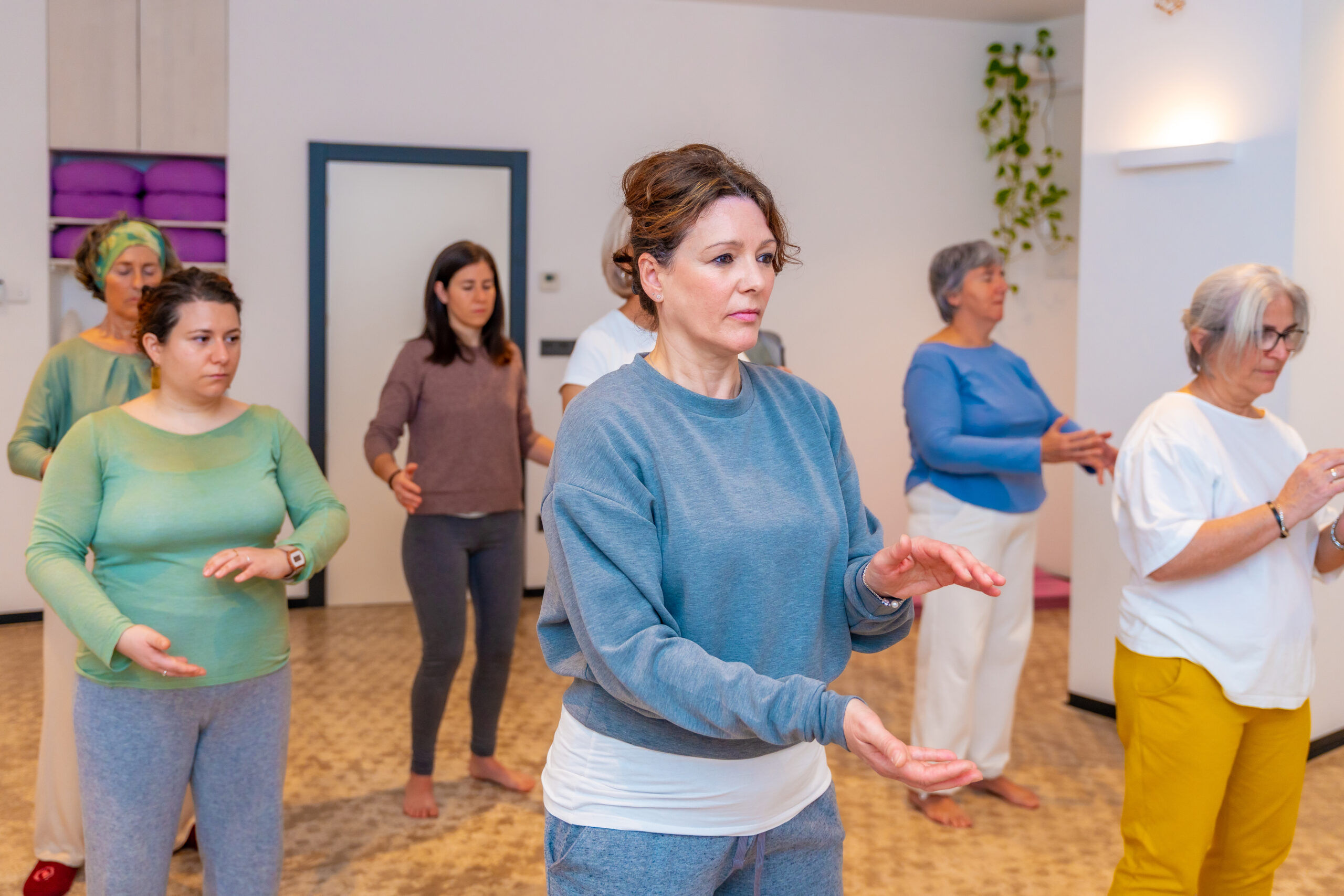

Featured practice: Letting Go of the Day
- Voice-guided: clear cues you can follow easily
- Quick + practical: built for real life and busy weeks
- Flexible: modify, pause, or stay seated anytime
- Best use: transitions—after work, before sleep, after stress
Why body-based tools help
- Body-first: change the breath and the body often follows.
- Small doses: 60–120 seconds can interrupt tension.
- Repeatable: quick practices build steadier recovery habits.
What it is / what it isn’t
- It is: breath + gentle movement + attention.
- It isn’t: pushing through pain—reduce range, slow down, or stay seated.
- It is: useful for transitions—after work, after stress, before sleep.
- It isn’t: a replacement for medical care when you need it (it’s supportive).
Modify freely. The goal is relief and regulation, not intensity.
Self-Paced Programs
If you want more structure between videos and live sessions, these guided programs help you build consistency over time.
- Weekly somatic practice drops
- Team-friendly integration (huddles, debriefs, check-ins)
- Monthly live Q&A + community resources
- Somatic awareness + stress-body connection
- Tools to track stress responses and reduce burnout patterns
- Simple exercises you can apply in minutes
Grounding practices for high-pressure teams
Structured sessions that fit wellness days, retreats, and staff gatherings—supporting calmer communication, better recovery, and a steadier baseline.

Next Steps
Start small and repeat what works. If you want a deeper plan, we can help you design a routine—or bring grounding practices to your team.